







Telogen Efluvium
Telogen effluvium is a condition marked by temporary hair loss due to more hairs than usual entering the telogen (resting) phase of the hair growth cycle. This if followed by increased shedding. It can be triggered by various stressors such as illness, major surgery, emotional stress, or hormonal changes. The condition is categorised into acute and chronic forms, based on the duration and persistence of symptoms.
Dermatologist Led Practice
100,000+ Consultations & Treatments
Key Points
- Telogen effluvium is a common form of hair loss characterised by an increase in hair shedding.
- It occurs due to a disruption in the normal hair growth cycle, often triggered by physical or emotional stress.
- Two types - acute and chronic, distinguished by duration and underlying causes.
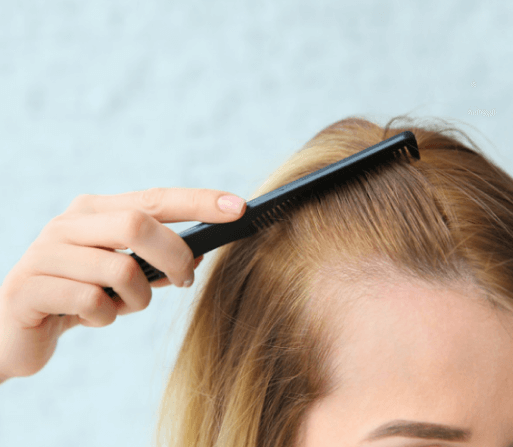
- Typically results in diffuse thinning of hair on the scalp without bald patches.
- Generally temporary and reversible, with recovery depending on resolving the underlying cause.
What is telogen effluvium?
Telogen effluvium is characterised by diffuse and non-scarring hair shedding. It occurs when a significant stress causes a large number of hairs to stop growing and enter the resting phase, eventually leading to increased hair shedding several months later.
- Diffuse, non-scarring hair shedding.
- Caused by significant stress to the mind or body.
- Leads to increased hair shedding after a delay.
Acute vs. Chronic Telogen Effluvium
- Acute Telogen Effluvium – Typically occurs suddenly and is often related to a specific triggering event, such as illness, surgery, or childbirth. Recovery is usually within six months if the trigger is removed or resolved.
- Chronic Telogen Effluvium – Lasts for more than six months, often without an identifiable triggering event. It may be due to ongoing issues like chronic illness, hormonal imbalances, or nutritional deficiencies.
Who gets telogen effluvium?
Telogen effluvium can affect anyone but is more frequently observed in women. Triggers can include physical or emotional stress, illness, major surgery, extreme weight loss, dietary changes, and hormonal fluctuations such as those experienced postpartum. Contact Melbourne skin clinic for dermatology services and treatments tailored to your skin care needs.
- More frequently observed in women.
- Triggered by various physical or emotional stressors.
Clinical features
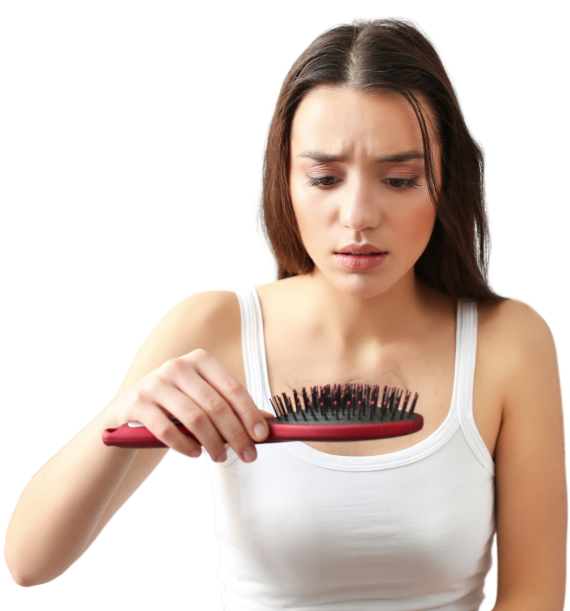
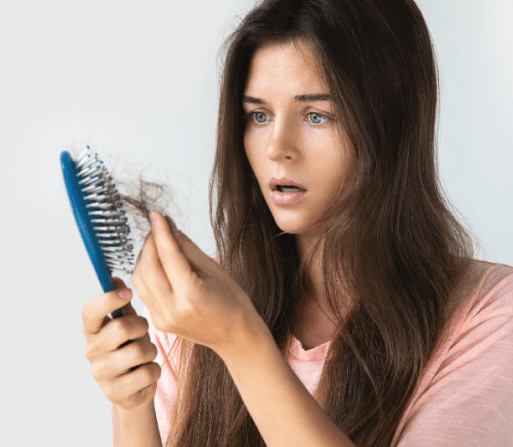
The main symptom of telogen effluvium is an increase in hair shedding, noticed during washing, brushing, or on pillows. The hair loss is typically diffuse across the entire scalp and rarely results in complete baldness.
- Increased hair shedding.
- Diffuse hair loss across the scalp.
- Rarely results in complete baldness.
Diagnosis and differential diagnosis
Diagnosis is typically based on medical history, clinical examination, and the pattern of hair loss. A hair pull test may be performed. Differential diagnosis includes androgenetic alopecia, alopecia areata, and anagen effluvium.
- Diagnosed based on history, examination, and hair loss pattern.
- Hair pull test may assist in diagnosis.
- Differentiated from other hair loss types.
Impact and complications
Both acute and chronic telogen effluvium can be distressing, but they typically do not lead to permanent hair loss. Recovery and regrowth of hair are possible, particularly once causative underlying factors are addressed or resolved.
- Can be distressing but typically not permanent.
- Hair regrowth possible once the underlying cause is addressed.
Treatment options for telogen effluvium
The treatment strategy for telogen effluvium is geared towards identifying and addressing the underlying cause of the condition. This involves treating any medical conditions or nutritional deficiencies that may be contributing to the problem. Stress management is also a crucial aspect of the treatment plan. Nutritional support is provided through a balanced diet rich in essential nutrients to aid in recovery. In some cases, topical treatments like minoxidil may be used to support hair regrowth. The expectations and outcomes of treatment largely depend on the ability to resolve the triggering issue, with acute cases generally resolving faster than chronic ones.
See what our patients have to say
Blog Posts

Beyond the Dark Spot
The lesser-known faces of melanoma In the discourse on skin cancer, melanoma is often depicted by its most recognisable form; a dark, ugly-looking mole. However,

The Impact of Hyperhidrosis
Life’s worries Sweat is something that most people hardly think about. It’s just something that happens when it’s hot, when your working out, or sometimes

Why am I sweating so much?
The 101 on hyperhidrosis If you are self-conscious about how much you sweat, you could be suffering from a condition called hyperhidrosis. Many people


