




Eczema
Eczema, also known as atopic dermatitis, is a common chronic skin condition marked by itchy and inflamed skin. Often developing in early childhood, it presents as patches of dry, red, and itchy skin, typically on the face, inside the elbows, behind the knees, and on the hands and feet. The severity and symptoms can vary widely among individuals. While the exact cause is unknown, eczema is believed to result from a combination of genetic predisposition and environmental triggers.
Dermatologist Led Practice
100,000+ Consultations & Treatments
Key Points
- Eczema, or atopic dermatitis, is a chronic inflammatory skin condition.
- Characterised by dry, itchy, and red skin.
- Common in children, but can persist or start in adulthood.
- Triggered by a combination of genetic and environmental factors.
- Management focuses on relieving symptoms and preventing flare-ups.
What is eczema/atopic dermatitis?
Eczema, or atopic dermatitis, is a chronic condition that causes the skin to become itchy, dry, and inflamed. It’s one of the most common skin conditions, especially among children.
- Chronic condition causing itchy, dry, inflamed skin.
- One of the most common skin conditions in children.
Who gets eczema/atopic dermatitis?
Eczema is most common in children but can also affect adults. It often appears before the age of 5 and may persist into adulthood or occur for the first time later in life. Individuals with a family history of eczema, asthma, or hay fever are at higher risk. Contact Melbourne skin clinic for dermatology services and treatments tailored to your skin care needs.
- Common in children, can also affect adults.
- Often appears before age 5.
- Linked to family history of eczema, asthma, or hay fever.
Clinical features
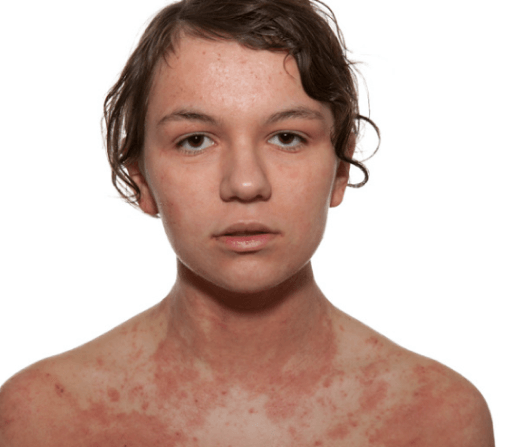
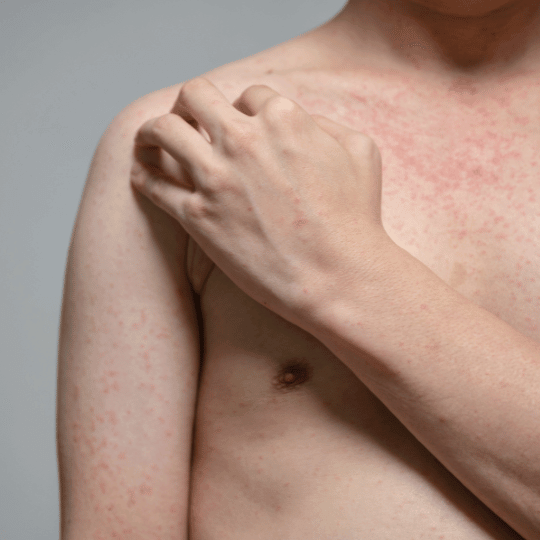
Eczema is characterised by patches of dry, itchy skin that can become red and inflamed. These patches often appear on the face, inside the elbows, behind the knees, and on the hands and feet. The skin may also become thickened, cracked, and scaly.
- Dry, itchy skin patches.
- Commonly affects face, elbows, knees, hands, and feet.
- Skin can become thickened, cracked, and scaly.
Diagnosis and differential diagnosis
Diagnosis of eczema is typically based on the patient’s history and physical examination of the skin. Skin patch testing might be used to diagnose or exclude co-existing allergic dermatitis. Eczema is differentiated from psoriasis, seborrheic dermatitis, and other skin conditions.
- Diagnosed by history and skin examination.
- Skin patch testing for allergies.
- Differentiated from psoriasis, seborrheic dermatitis, etc.
Impact and complications
Eczema can significantly impact quality of life, causing discomfort and sleep disturbances due to itching. It can also lead to skin infections and emotional distress. In children, severe eczema may affect growth and development.
- Affects quality of life and sleep.
- Can lead to skin infections and emotional distress.
- In children, may impact growth and development.
Causes and triggers of eczema/atopic dermatitis
Genetic Factors – Family history of eczema, asthma, or hay fever.
Environmental Triggers – Allergens, irritants, weather changes, stress.
Skin Barrier Dysfunction – Impaired skin barrier leads to moisture loss and vulnerability to irritants.
- Influenced by Genetics & Environmental Factors
- Triggered by allergens, irritants, and stress.
- Linked to impaired skin barrier function.
Subtypes and variants
Dyshidrotic eczema – Also known as pompholyx, this type of eczema is characterised by small, itchy blisters on the edges of the fingers, toes, palms, and soles of the feet. It can be triggered by stress, moisture, and exposure to nickel, cobalt, or chromium salts. The condition is more common in warmer months and in individuals with a history of atopic dermatitis.
Discoid eczema – This variant presents as distinct, coin-shaped spots or patches on the skin. These lesions can be very itchy and may become crusted or ooze. The exact cause of discoid eczema is unknown, but it can occur in individuals with no previous history of atopic dermatitis. It tends to affect adults and can be exacerbated by dry skin, cold weather, and stress.
Contact dermatitis – This subtype is caused by direct contact with irritants or allergens, leading to skin inflammation. It can be divided into irritant contact dermatitis, which is more common and occurs when the skin is damaged by irritants like soaps and chemicals, and allergic contact dermatitis, which is a result of an allergic reaction to a substance such as nickel, rubber, or certain plants. Symptoms include redness, itching, and sometimes blistering of the skin.
-
Dyshidrotic eczema - Characterised by small, itchy blisters on hands and feet, often triggered by stress and metal exposure.
-
Discoid eczema - Features distinct, coin-shaped lesions that can be itchy, crusted, or oozy, affecting adults regardless of previous eczema history.
- Contact dermatitis - Results from skin contact with irritants or allergens, leading to inflammation, redness, and itching, with potential blistering.
Treatment Options for eczema/atopic dermatitis
- Aims is to relieve symptoms and prevent flare-ups.
- Moisturisers and Emollients - To hydrate and protect the skin.
- Topical Corticosteroids - To reduce inflammation during flare-ups.
- Oral Medications - Antihistamines for itching, immunosuppressants in severe cases.
- Phototherapy - For chronic or severe eczema.
- Injectable medications - Targeting a specific arm of the immune system.
- Lifestyle Measures - Avoiding triggers, gentle skincare routines.
- Expectations and Outcomes - Treatment can effectively manage symptoms and improve quality of life, though there's no cure.
- Emphasis should be placed on moisturising and trigger avoidance.
- Treatments include topical creams, phototherapy and oral/injectable medications.
- Aim is to manage symptoms and improve quality of life.
See what our patients have to say
Blog Posts

Beyond the Dark Spot
The lesser-known faces of melanoma In the discourse on skin cancer, melanoma is often depicted by its most recognisable form; a dark, ugly-looking mole. However,

The Impact of Hyperhidrosis
Life’s worries Sweat is something that most people hardly think about. It’s just something that happens when it’s hot, when your working out, or sometimes

Why am I sweating so much?
The 101 on hyperhidrosis If you are self-conscious about how much you sweat, you could be suffering from a condition called hyperhidrosis. Many people


