





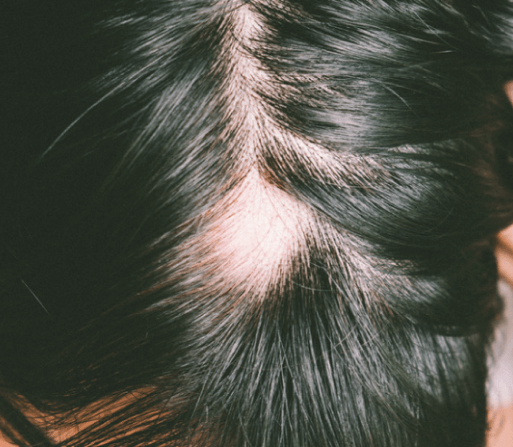
Alopecia Areata
Alopecia areata is an autoimmune condition characterised by sudden, patchy hair loss. The immune system mistakenly targets hair follicles, causing hair to fall out, typically in small patches. While it primarily affects the scalp, it can also impact other hair-bearing areas. The condition is unpredictable, varying from minor, temporary patches to more extensive, persistent hair loss. It can significantly affect an individual’s psychological well-being.
Dermatologist Led Practice
100,000+ Consultations & Treatments
Key Points
- Alopecia areata is an autoimmune disorder leading to patchy hair loss.
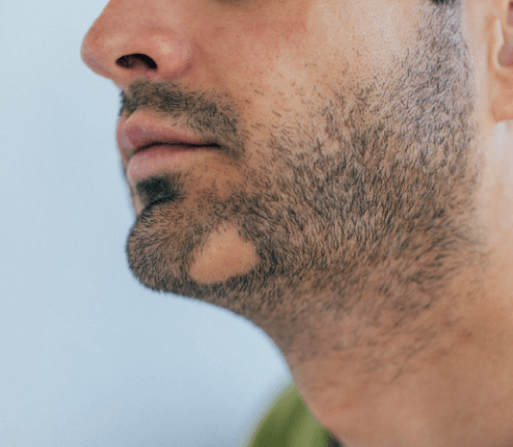
- Typically affects the scalp, but can involve any hair-bearing area.
- Can occur in individuals of any age, often starting in childhood or young adulthood.
- Diagnosis is based on clinical appearance and sometimes confirmed by biopsy.
- Treatment focuses on promoting hair regrowth and managing the autoimmune response.
What is alopecia areata?
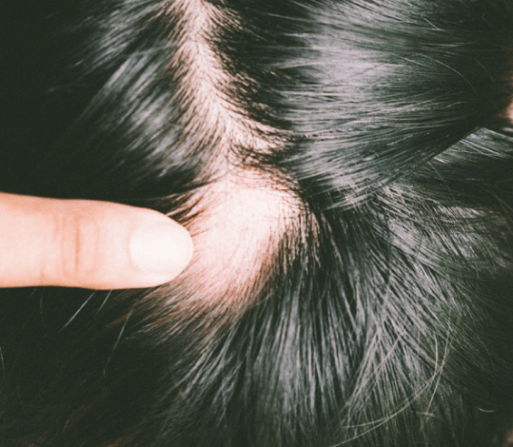
Alopecia areata is a disorder where the immune system attacks the hair follicles, leading to hair loss. This loss typically occurs in small, round patches on the scalp but can affect any hair-bearing area.
- Immune system attacks hair follicles.
- Causes patchy hair loss.
- Often appears as round patches on the scalp.
Who gets alopecia areata?
Alopecia areata can affect individuals of any age, gender, or ethnicity. It often begins during childhood or young adulthood. A family history of the condition increases the risk. Contact Melbourne skin clinic for dermatology services and treatments tailored to your skin care needs.
- Affects all ages, genders, and ethnicities.
- Often begins in childhood or young adulthood.
- Family history increases risk.
Clinical features
The main symptom of alopecia areata is the sudden appearance of round, smooth, bald patches on the scalp. It may also affect the eyebrows, eyelashes, and body hair. The skin in the affected area is usually normal.
- Round, smooth, bald patches on the scalp.
- Can affect eyebrows, eyelashes, and body hair.
- Normal skin appearance in affected areas.
Diagnosis and differential diagnosis
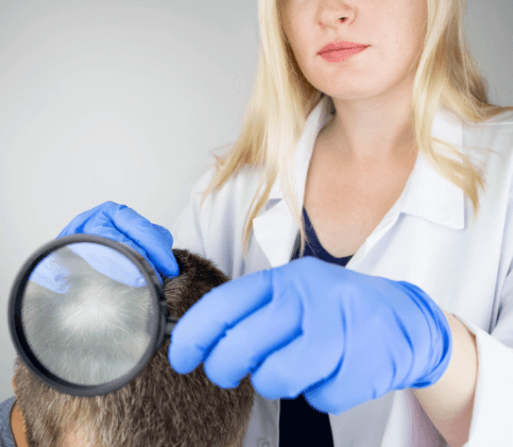
Diagnosis of alopecia areata is primarily clinical, based on the characteristic non-scarring pattern of hair loss. A punch biopsy may be needed for confirmation. It is differentiated from conditions like tinea capitis, trichotillomania, and other forms of alopecia.
- Diagnosed based on hair loss pattern.
- Scalp biopsy may confirm diagnosis.
- Differentiated from other hair loss conditions.
Impact and complications
Alopecia areata can lead to significant psychological distress due to its unpredictable nature and visible hair loss. It does not cause physical pain or direct health issues, but the emotional impact can be profound.
- Causes psychological distress.
- Unpredictable nature.
- No direct physical health issues, but significant emotional impact.
Subtypes and variants
- Alopecia Totalis – Complete loss of hair on the scalp.
- Alopecia Universalis – Loss of all body hair, including scalp, eyebrows, eyelashes, and body hair.
Causes and triggers of alopecia areata
Alopecia areata is driven by an autoimmune response with the body’s immune system mistakenly attacking the hair follicles, leading to hair loss. Genetic factors play a significant role, as a family history of the condition can increase an individual’s risk. Additionally, environmental factors, including stress, can trigger the onset of this condition, indicating a complex interplay between genetics, immune response, and external triggers in its development.
- Caused by an autoimmune response.
- Genetic predisposition plays a role.
- Environmental factors can trigger onset.
Treatment Options for alopecia areata
The primary goal of treating alopecia areata is to promote hair regrowth and tackle the autoimmune basis of the disease. To achieve this, a variety of treatment options are available. Topical treatments, such as corticosteroids and minoxidil, are commonly prescribed to stimulate hair growth. For more extensive cases, oral treatments, including immunosuppressants and JAK inhibitors, may be recommended. Additionally, corticosteroid injections can be administered directly into the affected areas to encourage hair regrowth. However, it’s important to set realistic expectations regarding outcomes. Responses to treatment can vary significantly among patients – while some may experience complete hair regrowth, others may have recurrent episodes of hair loss.
- Treatment involves topical and oral medications, as well as injections.
- Aims to promote hair regrowth and manage autoimmune response.
- Responses to treatment vary, with some experiencing complete regrowth.
See what our patients have to say
Blog Posts

Beyond the Dark Spot
The lesser-known faces of melanoma In the discourse on skin cancer, melanoma is often depicted by its most recognisable form; a dark, ugly-looking mole. However,

The Impact of Hyperhidrosis
Life’s worries Sweat is something that most people hardly think about. It’s just something that happens when it’s hot, when your working out, or sometimes

Why am I sweating so much?
The 101 on hyperhidrosis If you are self-conscious about how much you sweat, you could be suffering from a condition called hyperhidrosis. Many people


