










Acne Treatments
Acne is a common skin condition that affects individuals across various age groups, predominantly during adolescence. It’s characterised by the presence of pimples, comedones (blackheads and whiteheads) and in more severe cases, cysts, primarily on the face, back, and chest. This condition not only impacts the skin but can also have profound psychological effects, influencing self-esteem and social interactions.


Dermatologist Led Practice


100,000+ Consultations & Treatments
Key Points
- Acne is a common, treatable skin condition.
- Affects predominantly teenagers but can occur in adults.
- Presents as a variety of lesions, primarily on the face, back, and chest.
- Early and appropriate treatment can prevent complications such as scarring.
- Lifestyle changes and skincare are important in its management.
- A range of treatments are available, tailored to each patient.
- Long-term management may be necessary for persistent cases.
What is acne?
Acne is a medical and dermatological condition involving the oil glands at the base of hair follicles. It occurs when these glands produce excess oil, leading to clogged pores and the proliferation of bacteria, resulting in inflammation and the formation of pimples or cysts. Melbourne skin clinic offering general dermatology services for various skin concerns and treatments.
- Involves oil glands at the base of hair follicles.
- Triggered by excess oil production and clogged pores.
- Bacterial growth leads to inflammation and pimples.
Who gets acne?
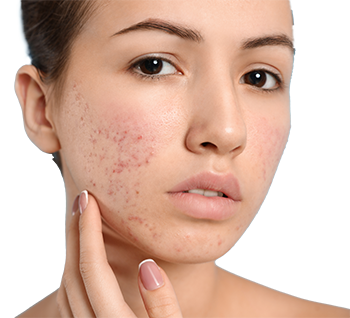
Acne predominantly affects teenagers due to hormonal changes during puberty, which stimulates oil production. However, it’s not exclusive to this age group as adults, especially women, can also experience acne, often related to hormonal fluctuations, stress, or certain medications.
- Common in teenagers due to puberty-related hormonal changes.
- Also affects adults, with women being more prone.
- Can be triggered by hormonal fluctuations, stress, or medications.
Clinical features
Clinically, acne presents as a mix of open (blackheads) and closed comedones (whiteheads), inflammatory papules, pustules, and in severe cases, nodules and cysts. It predominantly affects areas with a higher density of oil glands, such as the face, back, and chest. Symptoms include skin redness, tenderness, and in severe cases, scarring.
- Presents as blackheads, whiteheads, papules, pustules, nodules, and cysts.
- Affects areas with more oil glands such as the face, back, chest.
- Symptoms include redness, tenderness, and potential scarring.
Diagnosis and differential diagnosis
Diagnosis of acne is primarily clinical, based on the appearance of the skin. A dermatologist may consider other conditions that mimic acne, such as rosacea, folliculitis, periorificial dermatitis and facial keratosis pilaris.
- Diagnosis is based on typical skin appearance.
- Differential diagnoses include rosacea and folliculitis.
Impact and complications
Acne can significantly impact quality of life, leading to reduced self-esteem, social withdrawal, and in some cases, depression. Complications include scarring, persistent red spots and hyperpigmentation, which can persist long after the acne has resolved.
- Can lead to reduced self-esteem and social withdrawal.
- Some cases may result in depression.
- Complications include scarring and hyperpigmentation.
Subtypes and variants
Acne can manifest in various forms, each with unique characteristics and treatment approaches. Here are some notable subtypes and variants.
Acne Vulgaris
The most common form, characterised by a mix of lesions including blackheads, whiteheads, papules, and pustules.
Acne Conglobata
A severe and rare form of acne vulgaris, characterised by interconnected lesions and significant scarring. It’s more common in males and often requires aggressive treatment.
Acne Fulminans
A sudden onset of highly inflammatory acne, often accompanied by systemic symptoms like fever and joint pain. It’s less common and can be severe, requiring prompt medical attention.
Acne Mechanica
Triggered by excess pressure, heat, or friction on the skin. The type induced by wearing masks for extended periods of time (Maskne). Also seen in athletes caused by rubbing of sports equipment and clothing.
Acne Cosmetica
Caused by the use of certain cosmetic products that clog pores. It’s characterised by small, rash-like bumps, typically on the face.
Acne Excoriée
Exacerbated by the habitual picking or scratching of acne, leading to scarring and secondary infections.
Infantile Acne
Occurs in infants aged 2 to 12 months, likely due to hormonal changes. Usually mild, but severe cases should be evaluated by a dermatologist as permanent scarring may ensue.
Neonatal Acne
Appears in newborns, typically within the first few weeks of life. It’s believed to be caused by maternal or infant hormones. Neonatal acne is generally mild and resolves on its own without treatment.
Each subtype of acne may require a different approach to treatment, emphasising the importance of a tailored and individualised treatment plan.
- Acne vulgaris - most common, with a mix of lesions.
- Acne rosacea - affects adults with redness and bumps.
- Acne conglobata - severe, interconnected lesions, more common in males.
- Acne fulminans - sudden, highly inflammatory, with systemic symptoms.
- Acne mechanica - caused by physical pressure or friction.
- Acne cosmetica - due to pore-clogging cosmetic products.
- Acne excoriée - exacerbated by picking or scratching.
- Infantile acne - occurs in newborns and infants, usually mild.
Popularised Acne Terms and Other Similar Yet Distinct Skin Disorders
The term “acne” is widely used in both medical and popular contexts, but its application varies significantly. In popular culture and social media, “acne” often describes various skin issues that may resemble traditional acne or are related to specific triggers and locations. However, it’s crucial to distinguish between these colloquial uses like fungal acne and acne rosacea and certain skin conditions, which are separate disorders and not types of acne in the strict medical sense.
Popularised Terms
These terms generally relate to the location or specific causes of acne-like symptoms.
Maskne
Acne caused by prolonged wearing of face masks, a form of acne mechanica.
Backne (Back Acne)
Acne that appears on the back, often due to sweat and friction.
Buttne (Buttock Acne)
Often folliculitis on the buttocks, commonly mistaken for acne.
Chestne (Chest Acne)
Acne on the chest, typically triggered by sweat and heat.
Stress Acne
Breakouts linked to stress, exacerbating existing acne conditions.
Hormonal Acne
Acne influenced by hormonal changes, particularly in female adults.
Adult Acne
Acne occurring in adulthood, either persistent from adolescence or newly developed.
Jakne
A colloquial term for acne-like eruptions caused by JAK inhibitor medications.
Other Distinct Skin Disorders
These conditions are often confused with acne but are separate skin disorders.
Fungal Acne (Pityrosporum Folliculitis)
Despite its name, this condition is not acne but a yeast infection of the hair follicles, presenting with acne-like bumps.
Acne Rosacea
Often mistaken for acne due to its name and some overlapping symptoms, acne rosacea refers to what dermatologist refer to as papulopustular rosacea and is a chronic skin condition characterised by facial redness and sometimes pimple-like bumps. It is distinct from acne vulgaris.
Causes and Triggers of Acne
These conditions are often confused with acne but are separate skin disorders.
Genetic Influence
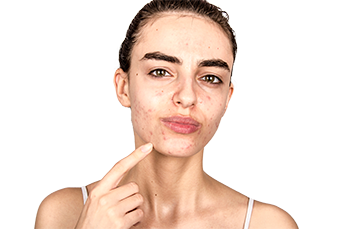
Acne can often run in families, similar to other inherited traits. If a person has close relatives who struggled with acne, there’s a higher likelihood they might experience it too.
Hormones
Hormones, particularly during puberty, play a significant role in acne development. They can increase oil production in the skin, setting the stage for acne. In women, hormonal changes related to menstrual cycles, pregnancy, or conditions like PCOS can also impact skin health.
Oil and Skin Cells
The skin naturally produces oil, which is typically beneficial. However, excess oil production, combined with dead skin cells, can lead to clogged pores. This is the starting point for common acne manifestations like blackheads and whiteheads.
Bacterial Balance
The bacteria Cutibacterium acne (Previously referred to as P. acnes) is present on everyone’s skin. While usually harmless, an imbalance in these bacteria and specific strains can lead to inflammation and acne. It’s the reaction of the skin to this bacterial imbalance that often determines the severity of acne.
Inflammation's Role
Inflammation is a critical factor in acne, sometimes initiating the process even before a pimple becomes visible. The immune system’s response in certain areas can trigger the formation of acne.
Dietary Links
The relationship between diet and acne is an area of active research. Foods with a high glycemic index, whey protein or certain dairy products like skim milk might influence acne in some individuals. This effect varies widely among different people.
Environmental Factors
External factors like pollution levels or humid climate conditions can affect the skin. These environmental elements might increase oil production or cause skin irritation, potentially leading to acne.
Stress and Skin
Stress is known to have an impact on skin health. It can lead to hormonal changes that increase oil production, thereby making the skin more prone to acne.
Medications and Chemicals
Certain medications and exposure to specific chemicals can trigger acne in some individuals. Changes in skin condition following the start of a new medication can be a sign of this reaction. A relevant example is the category of medications called Jak inhibitors used to treat autoinflammatory and autoimmune conditions which can cause acne-like reactions.
- Family history increases acne risk.
- Hormones, especially in puberty, trigger acne.
- Oil and dead skin cells clog pores, causing acne.
- Imbalance of specific strains of skin bacteria P. acnes can lead to acne.
- Inflammation is a key factor in acne development.
- Diet's impact on acne varies individually.
- Pollution and climate can worsen acne.
- Stress influences acne through hormonal changes.
- Some medications and chemicals trigger acne.
Treatment Options for Acne
Treating acne is a multifaceted approach that varies depending on the individual’s specific type and severity of acne. It often involves lifestyle changes, topical applications, and in some cases, oral medications. The goal is to reduce symptoms, prevent scarring, and minimise the psychological impact. Here’s a detailed look at the various management options available.
Lifestyle Measures
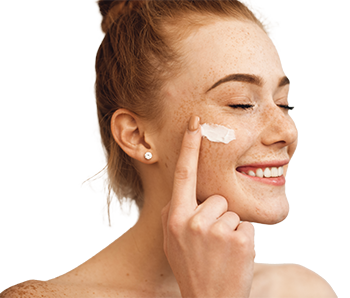
Adopting certain lifestyle habits can play a significant role in managing acne. This includes maintaining a good skincare routine to remove excess oil without overly drying the skin, following a balanced diet that may reduce acne flare-ups, and employing stress management techniques to mitigate stress-related acne. Avoid skinny milk, why protein and high-GI foods.
- Gentle skincare routine.
- Balanced low GI diet and avoid whey protein and skim milk.
- Stress reduction techniques.
Topical Treatments
Topical treatments are often the first-line of defense against acne. These include benzoyl peroxide for its bacteria-reducing properties, retinoids for unclogging pores, topical antibiotics to control bacteria, salicylic acid for its pore-clearing effects, azelaic acid for reducing bacteria and inflammation, and niacinamide for its anti-inflammatory benefits.
- Benzoyl peroxide.
- Retinoids.
- Topical antibiotics.
- Salicylic acid.
- Azelaic acid.
- Niacinamide.
Oral Treatments
For more severe cases of acne, oral treatments may be prescribed. These include antibiotics for their antibacterial and anti-inflammatory effects, oral contraceptives and anti-androgens to regulate hormones in women, and isotretinoin, a powerful option for severe acne.
- Antibiotics.
- Oral contraceptives & anti-androgens
- Isotretinoin.
Physical Treatments
Physical treatments like laser and light therapy can reduce oil production and kill bacteria. Chemical peels help in removing the top layer of skin, and professional extraction of blackheads and treatment of whiteheads with fine-wire-diathermy can be effective in clearing clogged pores.
- Laser and light therapy.
- Chemical peels.
- Professional extraction.
Things to Avoid
Certain practices can exacerbate acne, such as over-washing the face, picking or squeezing pimples, and using harsh scrubs. These should be avoided to prevent worsening of the condition.
- Avoid over-washing.
- Don’t pick or squeeze pimples.
- Steer clear of harsh scrubs.
Expectations and Outcomes
It’s important to have realistic expectations when treating acne. Treatments can take a minimum of 6 weeks to show results, and consistency is key. Regular consultations with a dermatologist can help in tailoring treatments to individual needs.
- Patience with treatment.
- Consistency in application.
- Seek professional advice.
- Acne treatment combines lifestyle changes, topical and oral medications.
- Key lifestyle measures include gentle skincare, balanced diet, and stress management.
- Common topical treatments are benzoyl peroxide, retinoids, and salicylic acid.
- Severe acne may need oral medications like antibiotics or isotretinoin.
- Laser therapy and chemical peels are effective physical treatments for some cases.
- Avoid over-washing, pimple-popping, and harsh scrubs to prevent worsening acne.
- Effective acne treatment requires patience, consistency, and professional guidance.
Our results speak for themselves
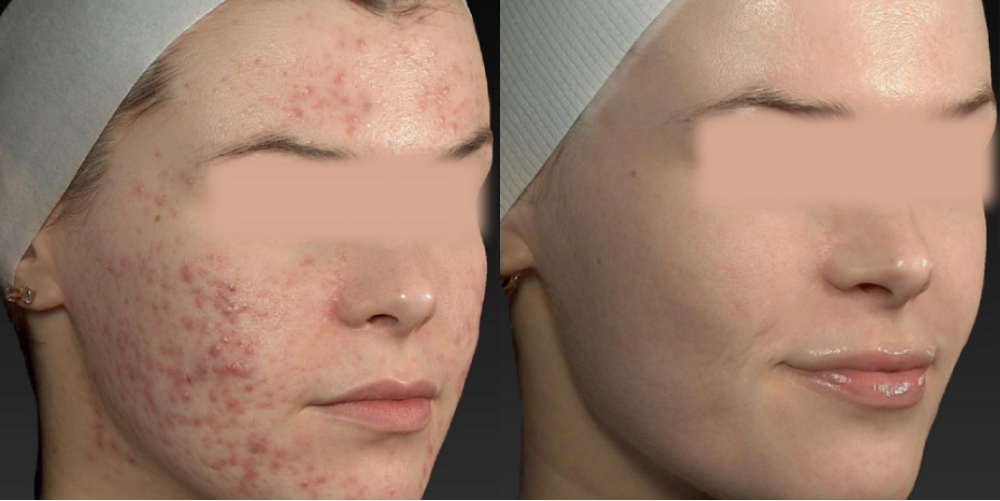
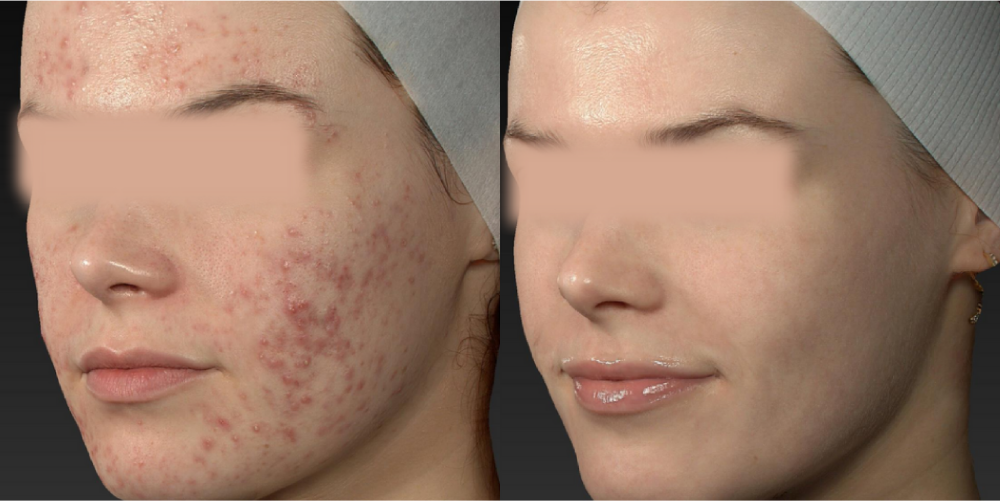
Unfiltered and untouched standardised 3D Vectra before & after photographs of consenting patients at Melbourne Skin & Dermatology. Individual results may vary. A thorough consultation is required before treatments.

BEFORE
AFTER
BEFORE
AFTER
BEFORE
AFTER
Acne Blog Posts

Acne Fighting Treatments
For those of us that deal with acne, it can be hard to pin down a skin routine/treatment plan that is effective. There are a

Adult Acne vs. Teen Acne
While getting acne in your teens may seem like an inevitability, you will be happy to know that it is not one of life’s guarantees.

Acne 101
At some point in roughly 85% our lives, we are going to wake up and spot an unwelcome visitor on our skin in the form