







Skin Laxity
Skin laxity describes a reduction in the firmness and elasticity of the skin and its supporting tissues. It may appear as looseness, folding, creasing, jowling or reduced definition of the skin of the face, neck or body. The most appropriate treatment depends on what is causing the change, how advanced it is and whether localised fat, volume loss, skin surface damage or deeper tissue descent is also present.
Dermatologist Led Practice
100,000+ Consultations & Treatments
Key Points
-
Skin laxity is not a single condition and different tissue layers may contribute to its appearance.
- Treatment selection depends on location, skin quality, medical history, previous procedures and expectations.
- Non-surgical options include Ellacor microcoring, Quantum RF, FaceTite, BodyTite or AccuTite, as well as microneedling or laser resurfacing.
What is skin laxity?
Healthy skin has elastic properties that allow it to stretch and return towards its original position. With time, the skin and its supporting connective tissue can become less resilient. This may create a looser appearance even when the skin surface remains relatively smooth.
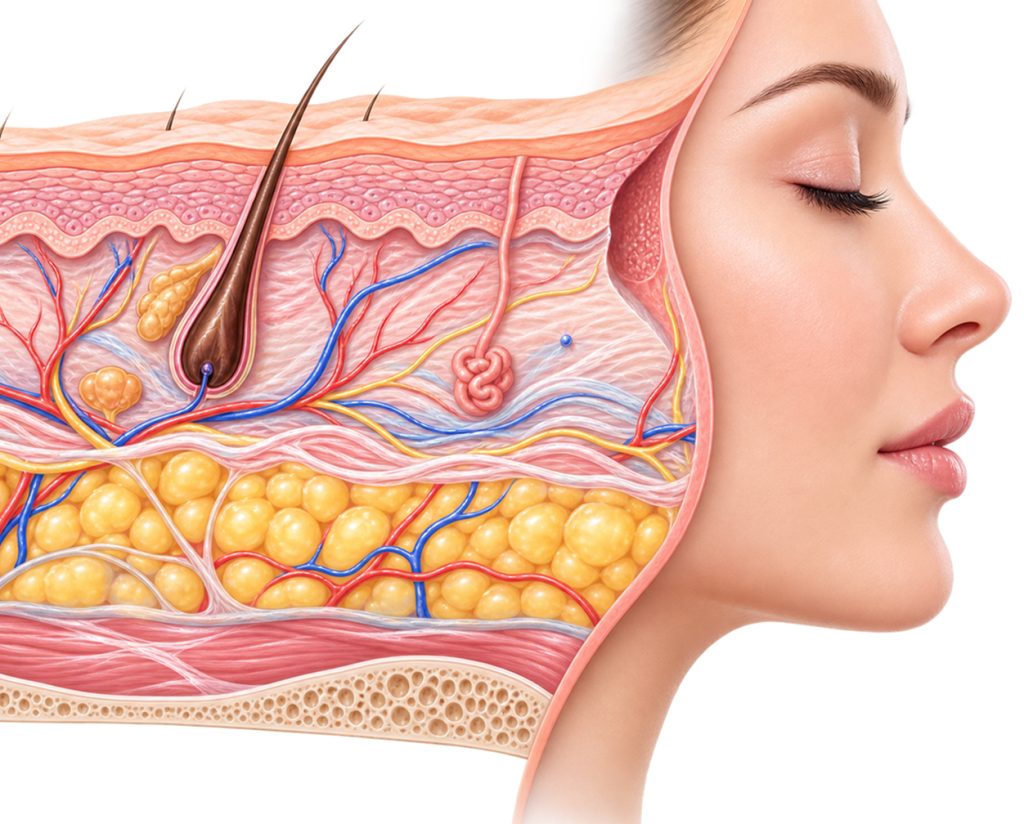
Skin laxity can involve the epidermis, dermis, subdermal connective tissue, fat compartments and deeper supporting structures. For this reason, a treatment that improves surface texture may not adequately address deeper laxity and a treatment directed below the skin may not correct significant excess skin.
Why skin becomes loose or less firm
Several factors may contribute to skin laxity. More than one factor is often present.
Ageing
Collagen, elastin and other structural components change over time. Facial fat and bone also change, which can reduce support for the overlying skin.
Sun exposure
Repeated ultraviolet exposure contributes to collagen breakdown, uneven pigmentation, fragility and reduced elasticity.
Weight change
Skin may not fully retract after substantial or repeated changes in weight.
Pregnancy
Stretching of the abdominal skin and deeper tissues may leave residual laxity after pregnancy.
Genetics
Inherited differences in skin thickness, elasticity, facial structure and ageing patterns influence when laxity becomes visible.
Smoking
Smoking and some medical or lifestyle factors can impair skin quality and healing.
Previous procedures
Surgery, liposuction, energy based procedures and scarring may change tissue thickness, blood supply and treatment options.
Skin laxity is different from other ageing changes
People often use the term loose skin to describe several different concerns. Distinguishing them is important because the treatments are not interchangeable
- Wrinkles and surface texture - Fine lines, crepey texture and sun damage may be more responsive to resurfacing treatments than to a deeper tightening procedure.
- Volume loss - Reduced support from fat or bone can create folds or hollowing that resemble laxity.
- Localised fat - Fullness under the chin or in a body area can reduce definition even when the skin itself is not significantly loose.
- Genetics - Inherited differences in skin thickness, elasticity, facial structure and ageing patterns influence when laxity becomes visible.
- Muscle or deeper tissue descent - Changes below the skin can contribute to jowling, neck contour changes or abdominal laxity.
- Excess skin - Changes below the skin can contribute to jowling, neck contour changes or abdominal laxity.
Areas commonly affected
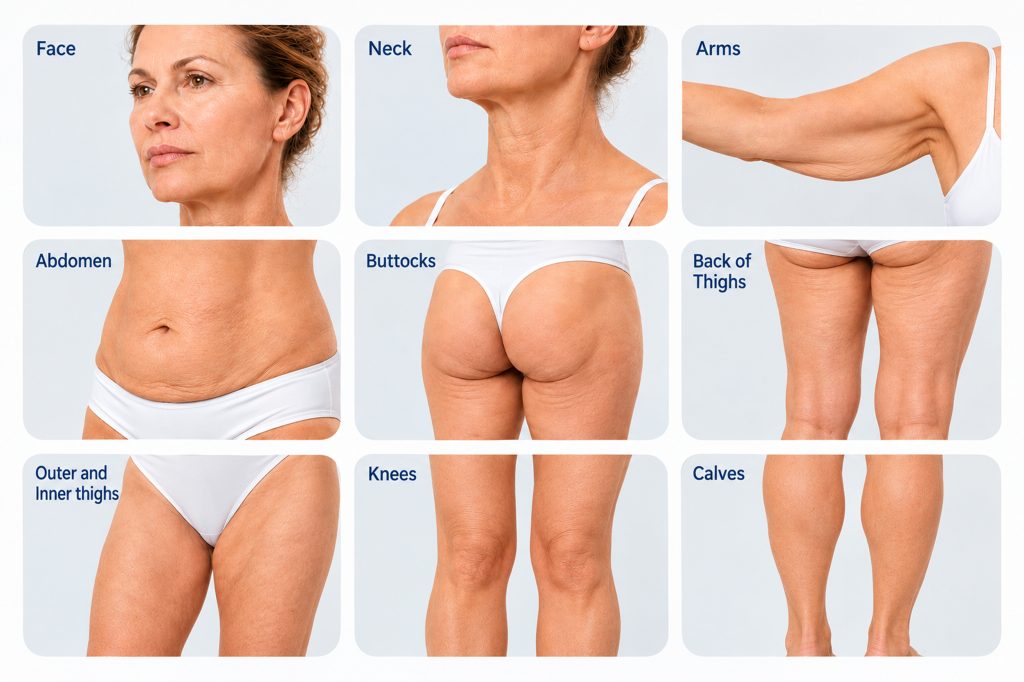
Skin laxity may affect the face, neck and body. Areas commonly discussed during cosmetic consultations include the lower face, jawline, neck, upper arms, abdomen, flanks, thighs and skin above the knees. The presence of laxity does not automatically mean that every area is suitable for a device based procedure.
How skin laxity is assessed at Melbourne Skin & Dermatology
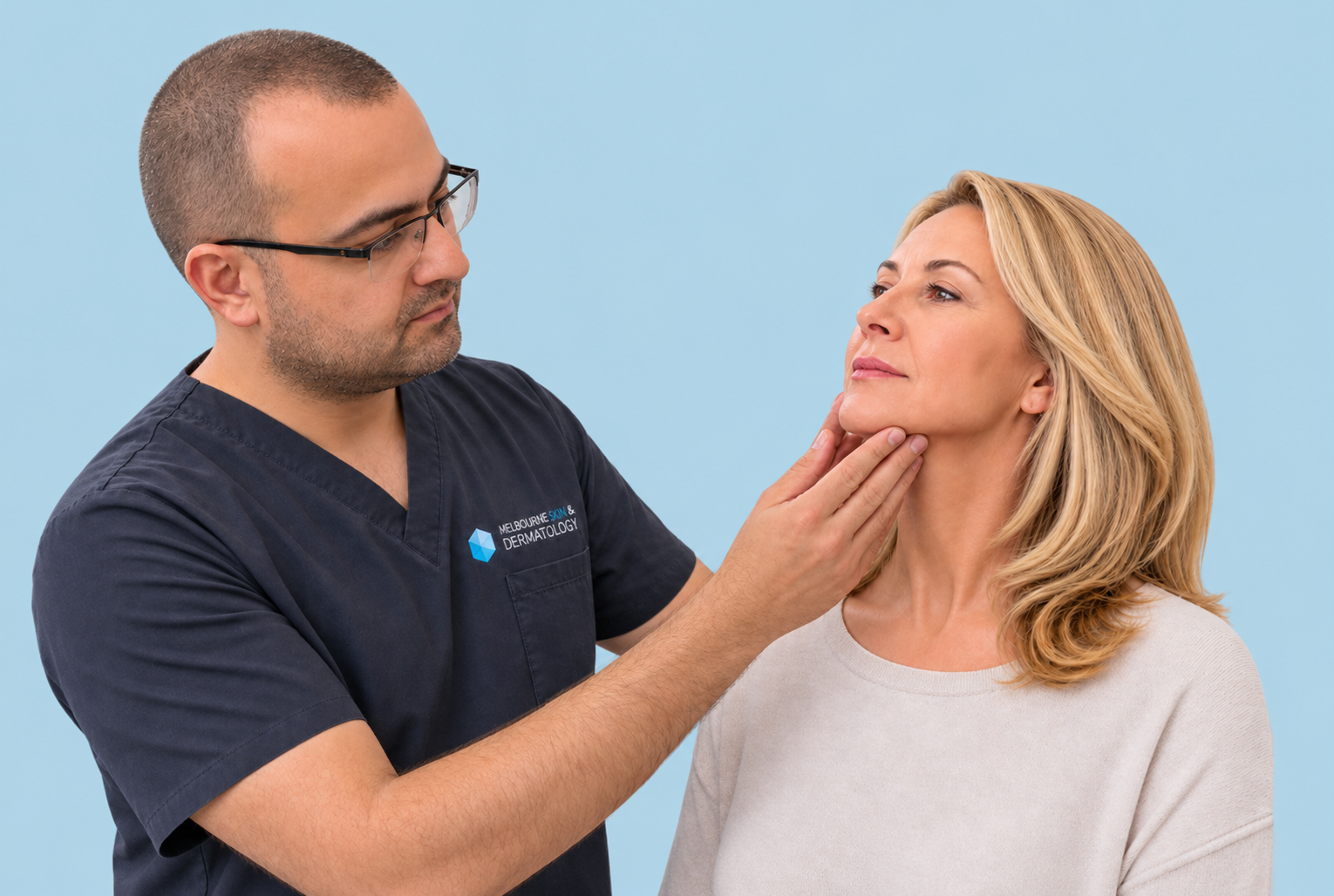
Assessment begins with the concern rather than a device. The clinician considers the location and degree of laxity, skin thickness, surface quality, fat distribution, scars, medical history, medications, previous treatment, healing risk and the result the patient hopes to achieve.
The assessment also considers whether the apparent laxity is primarily caused by skin, fat, volume change or deeper structural descent. In some cases, treatment may be unlikely to provide a worthwhile change. In others, a combination or staged approach may be considered.
Treatment options for skin laxity
Ellacor Microcoring
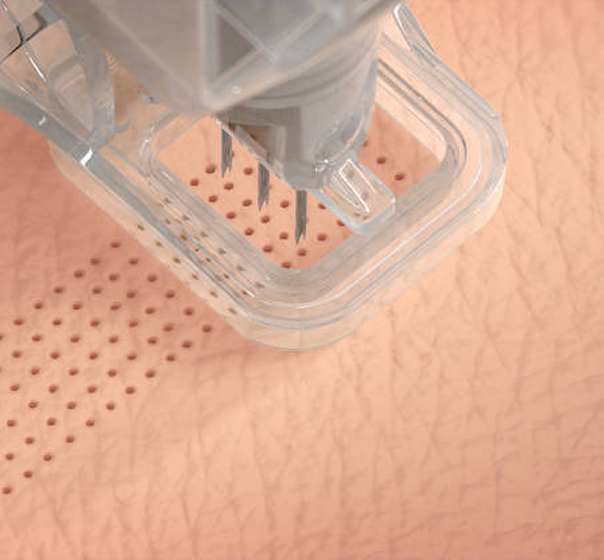
Microcoring uses small hollow needles to remove microscopic columns of skin in a controlled pattern. It does not rely on thermal energy. The treatment may be considered for selected facial wrinkles and laxity where physical removal of small amounts of skin is appropriate.
Quantum RF skin tightening
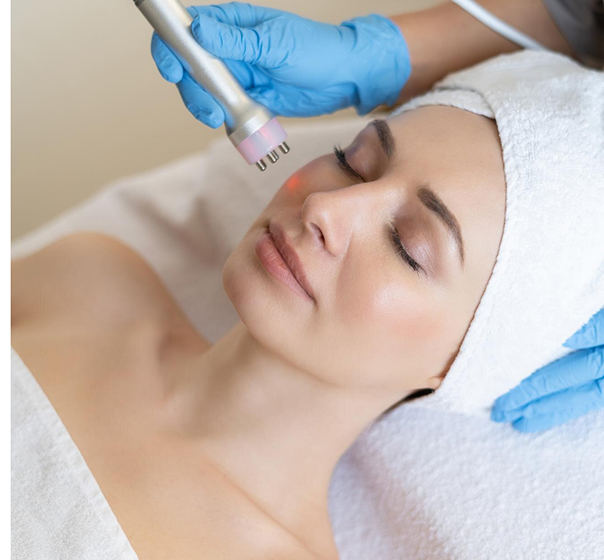
Subdermal radiofrequency treatment places a fine cannula beneath the skin through small entry points. Controlled radiofrequency energy is delivered within the subdermal plane without planned fat aspiration. The aim is to contract selected soft tissue and improve laxity in appropriately selected areas.
Accutite, FaceTite & BodyTite
Radiofrequency assisted body contouring may be considered when skin laxity and localised fat or reduced contour definition occur together. A cannula based applicator delivers controlled radiofrequency energy beneath the skin. Depending on the area and treatment plan, the procedure may involve tissue coagulation, contour refinement and limited fat aspiration.
Radiofrequency microneedling
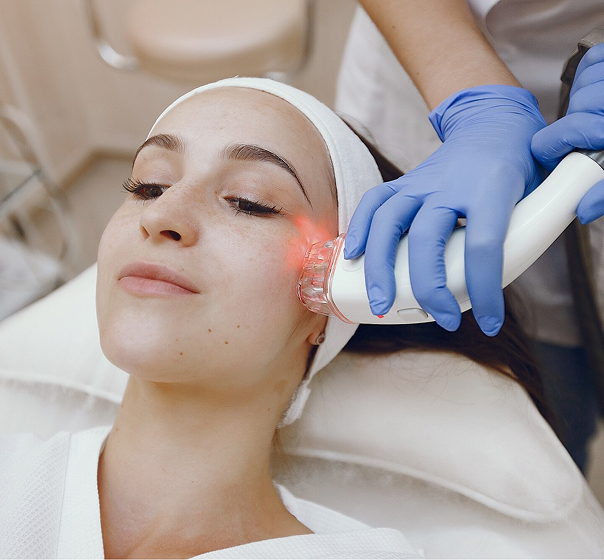
Radiofrequency microneedling delivers energy through an array of needles at selected depths. It may be used to improve skin quality, texture, fine lines and some degrees of laxity. It is different from cannula based subdermal radiofrequency and from microcoring.
Laser resurfacing
Fractional laser resurfacing is directed mainly at the skin surface and dermis. It may improve wrinkles, texture, sun damage and some mild tightening. It is not a substitute for removal of significant excess skin. Learn more about CO2 Laser Resurfacing.
Surgical assessment
Surgery may be more appropriate when there is substantial excess skin, marked jowling or neck laxity, significant abdominal skin excess or a need for tissue repositioning. MSD may recommend surgical assessment where a minimally invasive treatment is unlikely to meet the patient’s goals.
What results are realistic
The degree of change varies between individuals and between treatment categories. Non surgical and minimally invasive procedures generally aim for improvement rather than complete correction. Results may develop gradually and the final appearance can be influenced by age, skin quality, treatment area, healing response, weight stability and the severity of the starting concern.
No treatment can stop ongoing ageing or future changes caused by weight fluctuation, sun exposure or general health. Additional treatment may be considered but should not be assumed before the response to the initial procedure is assessed.
Risks and recovery
Recovery and risk vary substantially between treatments. Surface treatments may cause redness, peeling or pigment change. Minimally invasive procedures may involve swelling, bruising, bleeding, discomfort, infection, scarring, burns, altered sensation, contour irregularity, asymmetry, prolonged swelling and an unsatisfactory or insufficient result. Some procedures have area specific risks, including nerve irritation or temporary weakness when treating the face or neck.
The clinician will discuss the material risks, expected recovery, aftercare and alternatives that apply to the proposed treatment. Patients should allow adequate time for recovery and should not plan a procedure solely around a short advertised downtime estimate.
Frequently asked questions
People often use the term loose skin to describe several different concerns. Distinguishing them is important because the treatments are not interchangeable
Some degrees of laxity may improve with non surgical or minimally invasive treatment. The likely degree of improvement depends on the cause and severity of the laxity. Significant excess skin is more predictably treated with surgery.
There is no single best treatment for all patients. Microcoring, subdermal radiofrequency, radiofrequency assisted contouring, radiofrequency microneedling and laser resurfacing act at different tissue depths and address different problems.
Jowling can involve skin laxity, fat distribution, volume change and deeper tissue descent. Treatment may improve selected components but cannot be recommended without assessment.
Recovery varies. Swelling, redness, bruising, crusting and visible treatment marks may persist beyond the first few days. The clinician will discuss the expected range based on the area and protocol.
Some patients with residual laxity after weight loss may be suitable for a device based procedure. Marked skin excess may require surgical removal. Weight should generally be stable before elective contouring treatment is planned.
The number of treatments depends on the modality, the area and the response. Some procedures are commonly planned as a single treatment while others are delivered as a series. This is discussed after assessment rather than promised in advance.
Blog Posts

Beyond the Dark Spot
The lesser-known faces of melanoma In the discourse on skin cancer, melanoma is often depicted by its most recognisable form; a dark, ugly-looking mole. However,

The Impact of Hyperhidrosis
Life’s worries Sweat is something that most people hardly think about. It’s just something that happens when it’s hot, when your working out, or sometimes

Why am I sweating so much?
The 101 on hyperhidrosis If you are self-conscious about how much you sweat, you could be suffering from a condition called hyperhidrosis. Many people


